Jump to maincontent

Pop history is often told through the artists – those who create and perform music. But popular music has always depended on an audience. Everyone who listens to music is part of this history, but some more than others – the fans.


Fans lift artists to stardom and play a decisive role in how music gains value. They have often been overlooked or met with suspicion, both in contemporary media and in later historical writing. At the same time, it is the fans who show the deepest engagement with the music they love. They collect, interpret, create, organise and build communities with one another. This exhibition is a fan letter to the fans – the forgotten heroes of pop history.

"MUSICAL MASS PSYCHOSIS, MOB MENTALITY, DISTORTED EROTICISM AND HYSTERICAL GIRLS" - PUSSYCATSMANIA

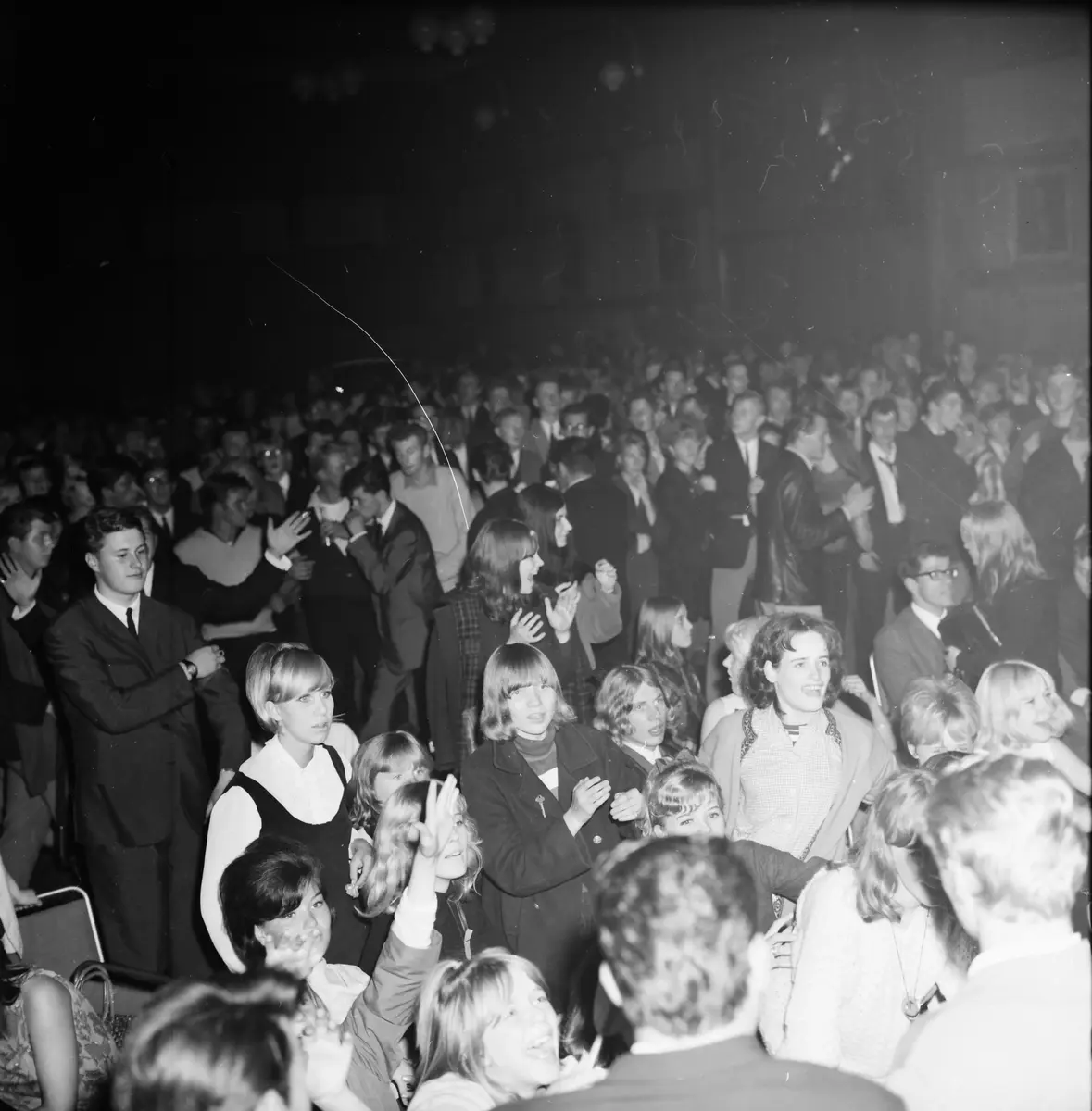
In the mid-1960s, The Pussycats from Tromsø were Norway’s most popular beat band, with their own fan club and immense interest from teenage audiences across the country. In newspaper coverage of emerging groups, fans were often given as much attention as the musicians themselves. In the media, fans were described as hysterical, while academics portrayed them as manipulated consumers. The phenomenon of fandom was framed as idol worship, fanaticism, and mass suggestion. Variations of this narrative can also be found in more recent accounts.


On display: The notebook of fan club leader Turid Holt (on loan from the National Library of Norway). A banner used by Pussycats fans, and film footage from a Pussycats concert at Folkets Hus in Oslo (Egil Kolstø), both from 1965. Newspaper clippings in the collage are taken from Norwegian newspapers from the mid-1960s.

THE COMMUNITY

Leather jackets with embroidered patches, sequinned dresses, and homemade T-shirts fill the concert venue before the first note is played. A glance, a nod – and instant recognition. Through clothing and symbols, a temporary community takes shape, centred on everything from a strutting rock band to a glamorous pop star.

Fandom is about identity. It is also about how people present themselves to others. Shared references create immediate understanding, without the need for lengthy explanations. A sense of belonging strengthens the shared musical experience.


REACHING FOR THE STARS

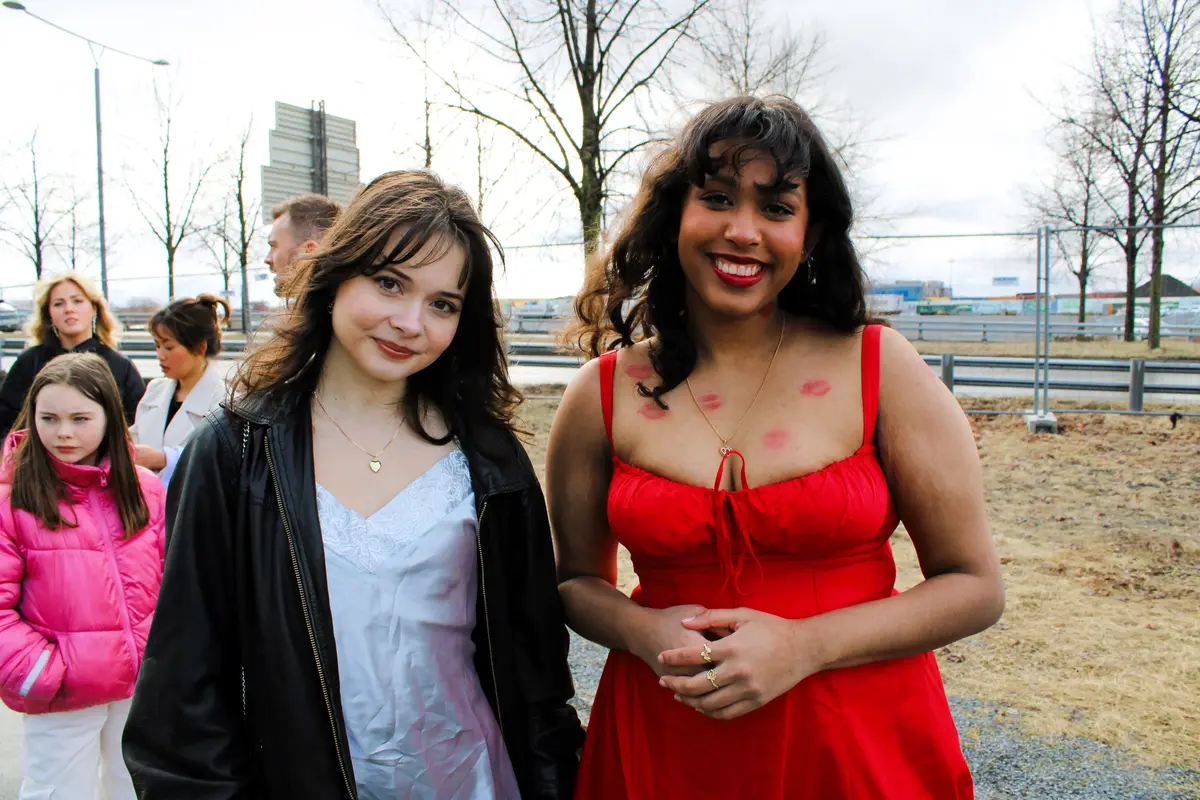
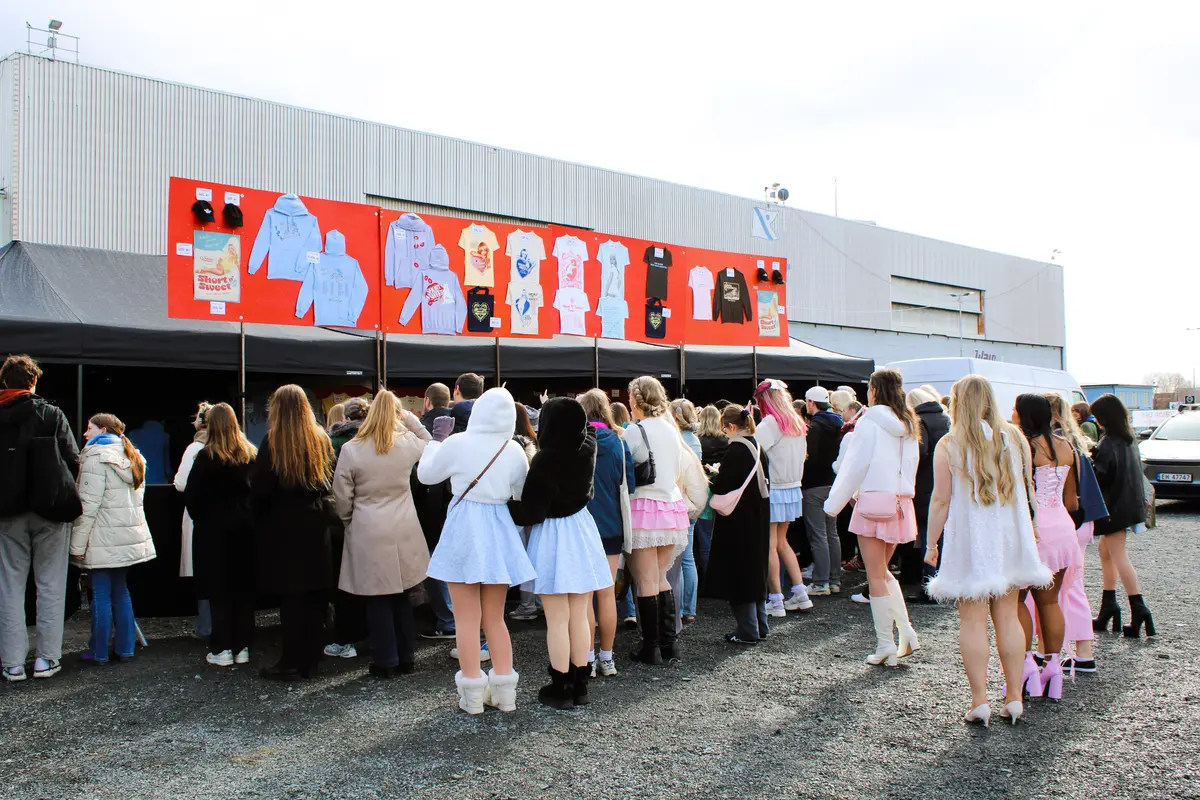
Through colours, costumes, and clothing, audiences reflect the artist in front of them at concerts. For artists such as Sabrina Carpenter, stage outfits have become a central part of the concert experience, and fans take an active role by recreating and interpreting them. The clothes are not only expressions of community and visible fandom, but also acts of creativity.

On display: Dress and jacket made by Benedicte Tranberg for Sabrina Carpenter’s concert at Unity Arena, Fornebu, 30 March 2025. Photographs from the same concert: Ayça Lingaas / Budstikka. TikTok videos: Benedicte Tranberg.

Turbojugend

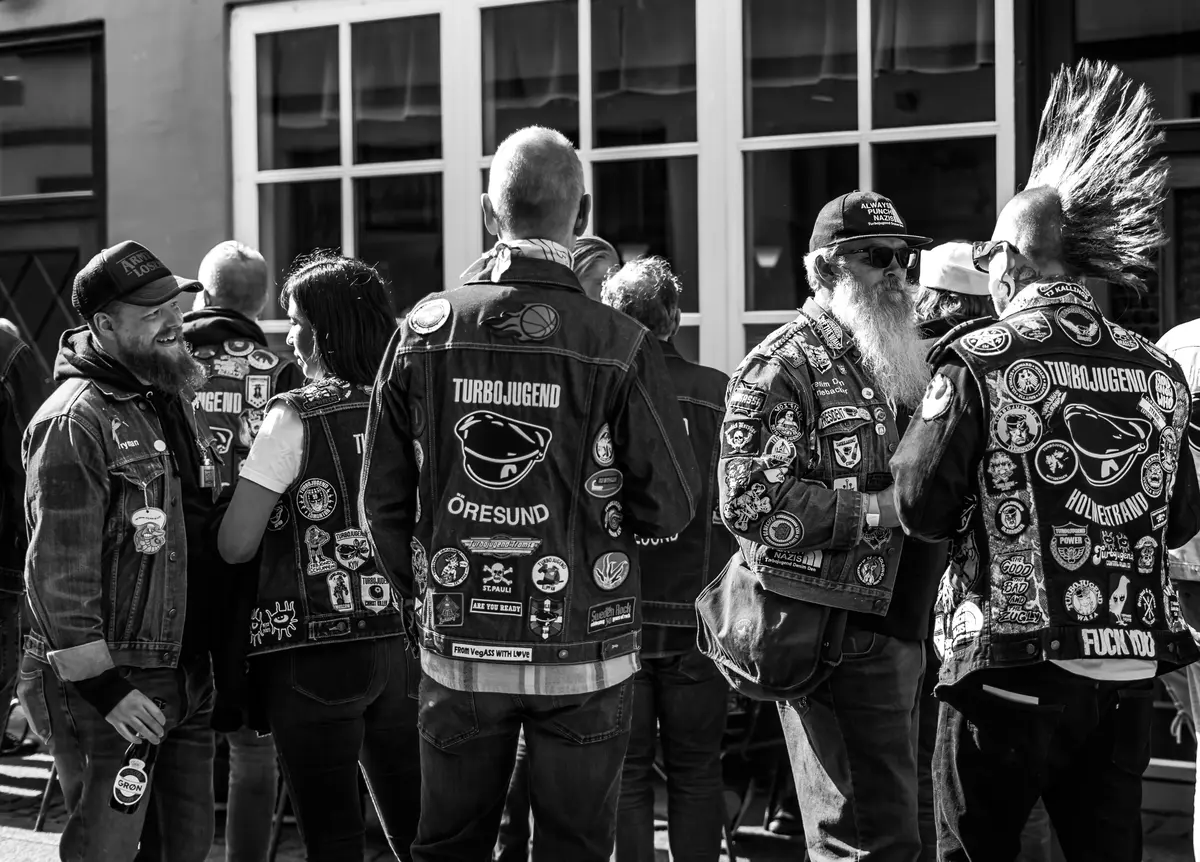
“Turbojugend” first emerged as the name of Turbonegro’s fictional fan club. After the band’s break-up in 1998, Turbojugend was established as a real, international community, originating in Hamburg. Members of local chapters around the world kept Turbonegro’s name, aesthetics, and music alive through gatherings and events—and played a significant role in the band’s comeback in 2002. With its own set of guidelines and the denim jacket as a uniform, Turbojugend became one of the most recognisable fan communities in rock music. In 2011, the circle was completed when Tony Sylvester, former president of Turbojugend London, succeeded Hans Erik Dybvik as the new lead vocalist of Turbonegro.


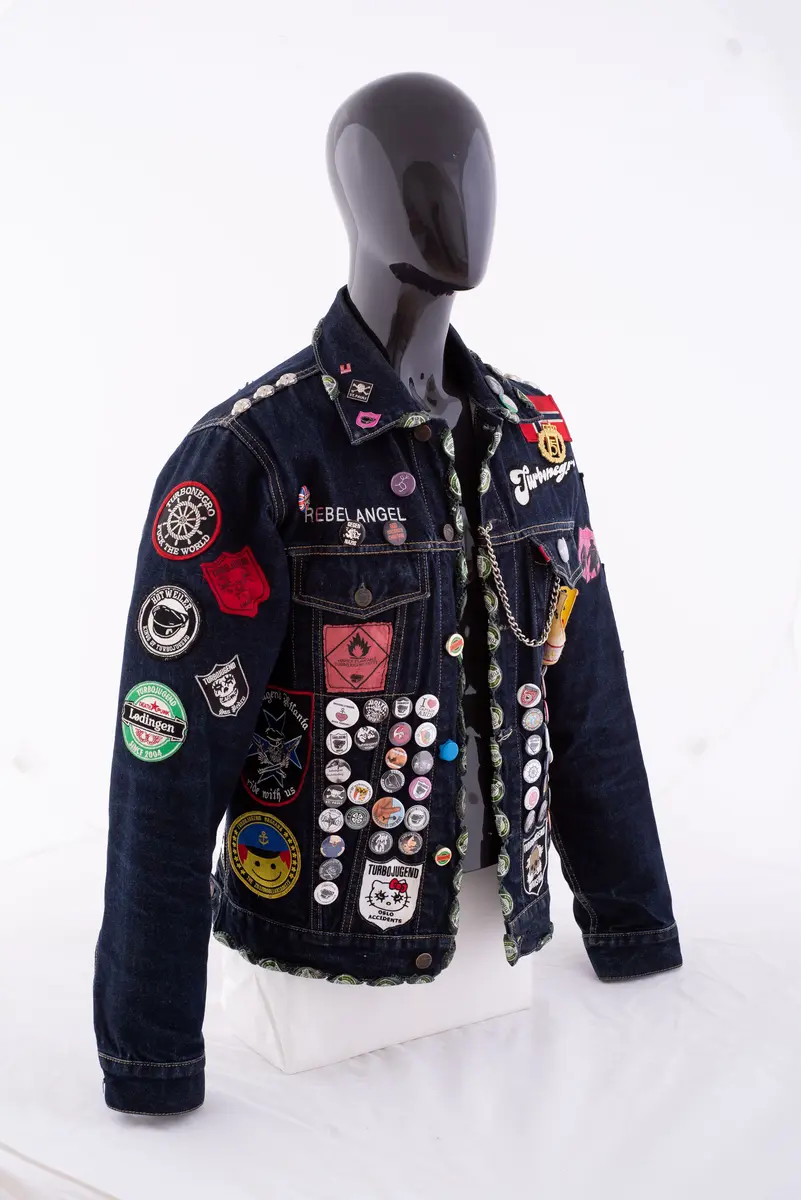
On display: Turbojugend denim jacket owned by Henning Haugom (President, Turbojugend Lillehammer), donated to Rockheim, 2025. The Turbojugend party “Happy Ports”, organised by Turbojugend Øresund. The event was held on both sides of the strait, in Helsingborg, Sweden, and Helsingør, Denmark. Photographer: Duncan McKinlay (also known as Folding Boy Twohawks, President of Turbojugend Aberdeen).

HENNING’S TURBOJUGEND DENIM JACKET

A Turbojugend kutte (jacket) is a symbol of community and friendship. When you meet someone else wearing this jacket, you immediately know that you share musical taste, humour, and—most likely—leisure interests as well. It is a symbol of belonging, and of friendship across national borders and continents.

Henning Haugom, the owner of this jacket, travelled to Turbojugend gatherings and festivals across Europe. The jacket led to friendships and memories with members from around the world—from Welt‑Turbojugend‑Tage in Roskilde to a Turbonegro concert in Gjøvik.

— Jenny Jahnsen Berg

THE CO-CREATOR

A kitchen table covered with scissors, glue sticks, and cut-out photographs. A sketchbook filled with drawings and quotes from a favourite artist. A fanzine stapled together by hand and shared at concerts. In the bedroom, videos are edited late into the night, while new albums are discussed in comment sections and online forums. Being a fan is not just about listening—it is about making, interpreting, collecting, and shaping. 

Being a fan means entering pop culture as a participant. Through fanzines, fan clubs, fan art, and fan fiction, fans process and further develop the artistic worlds they are part of. Audiences thus become not only recipients, but co-creators. Digital platforms have strengthened this role by making it easier to share, collaborate, and mobilise engagement and participation across national borders.

NORWEGIAN FAN CLUB MAGAZINES

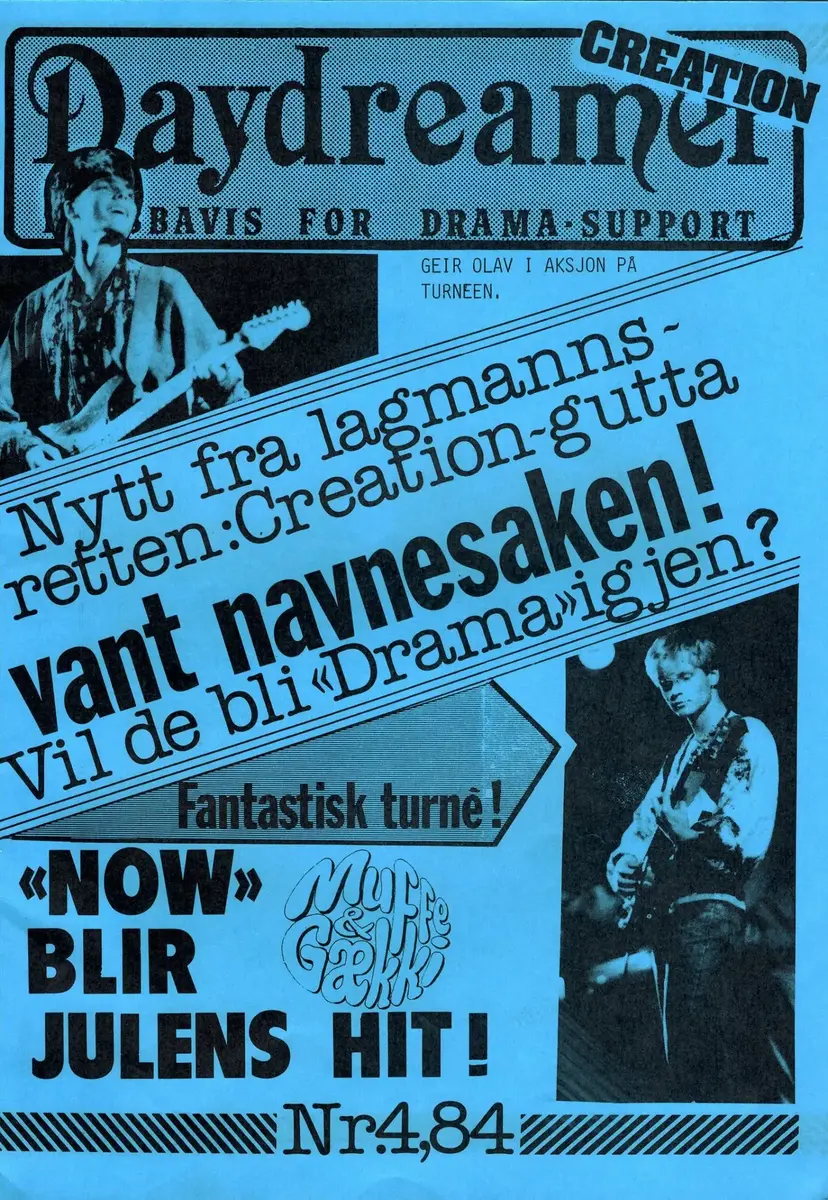
Fan clubs flourished in Norway from the 1960s onwards, and both emerging and established artists often had their own fan club. These clubs could be run either by the artist’s management and record label or by the fans themselves. Fans would often start a fan club by first seeking the artist’s permission—though not always.

For artists and record companies, a fan club could be a valuable resource. It might, for example, manage fan letters sent to the artist, but above all distribute its own fan magazines, information sheets, standard replies, and autographs, helping to cope with the volume of post that often raised the same questions time and again.

On display: Daydreamer (Drama), 1983; Groovy Thing (Cosmic Dropouts), 1990; The society feeling Inger Lise, 1979; Ved Mikrofonen (Gluntan), 1969; ZOO-Port (ZOO), 1983.

WENCHES VENNER

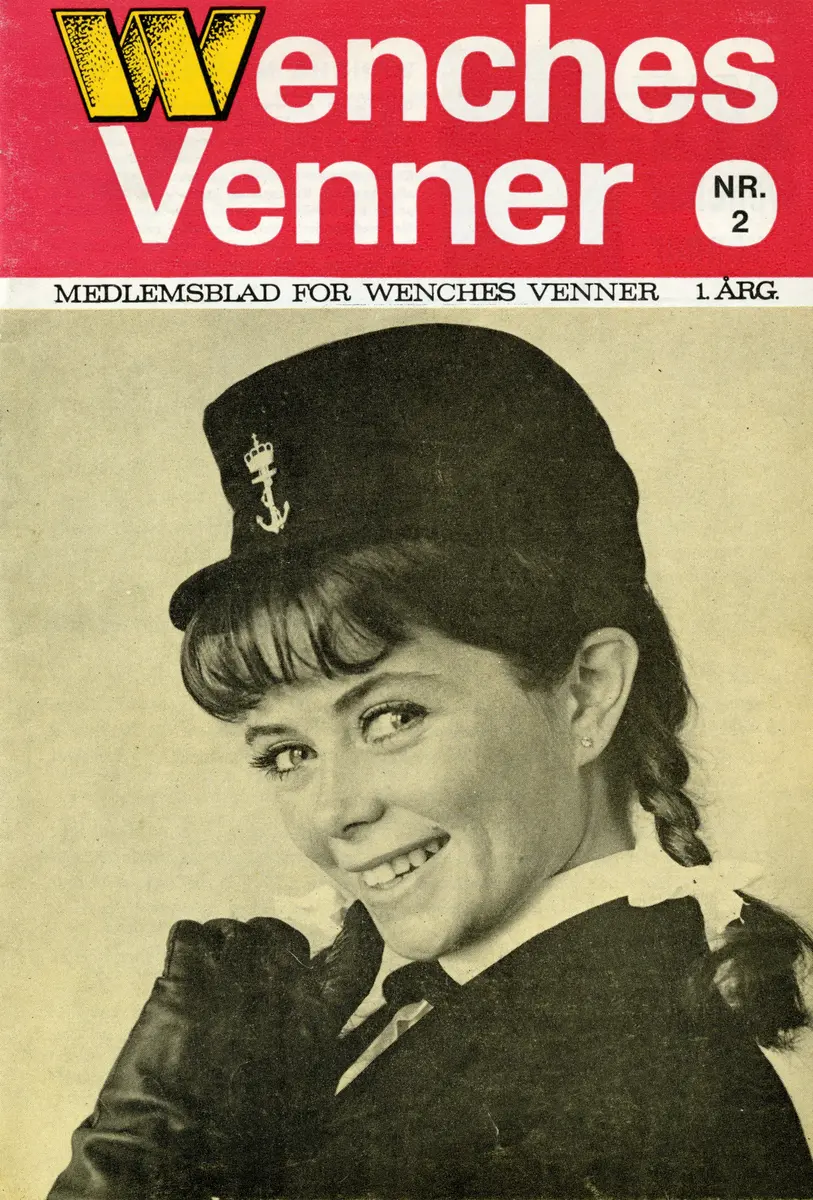
In 1964, at just 17 years old, Wenche Myhre had achieved a level of fame in Norway matched by few before her. The rapidly growing volume of fan mail led to the establishment of the fan club Wenches Venner (Wenche’s Friends), developed by the Myhre family in collaboration with music journalist Yngvar Holm.

Membership included items such as a membership card, pin badge, signed photograph, and a dedicated fan magazine, while membership fees and income from events were used, among other things, to help build a children’s clinic in Gaza. Wenches Venner was featured in newspapers, magazines, and on television, and quickly grew to become Norway’s largest fan club. With well over 10,000 members, the club handled significant financial sums, which later led to critical media scrutiny and internal conflicts.


On display: Membership card for Wenches Venner, signed photograph, and fan club newspapers from 1964.

ROCK MACHINE

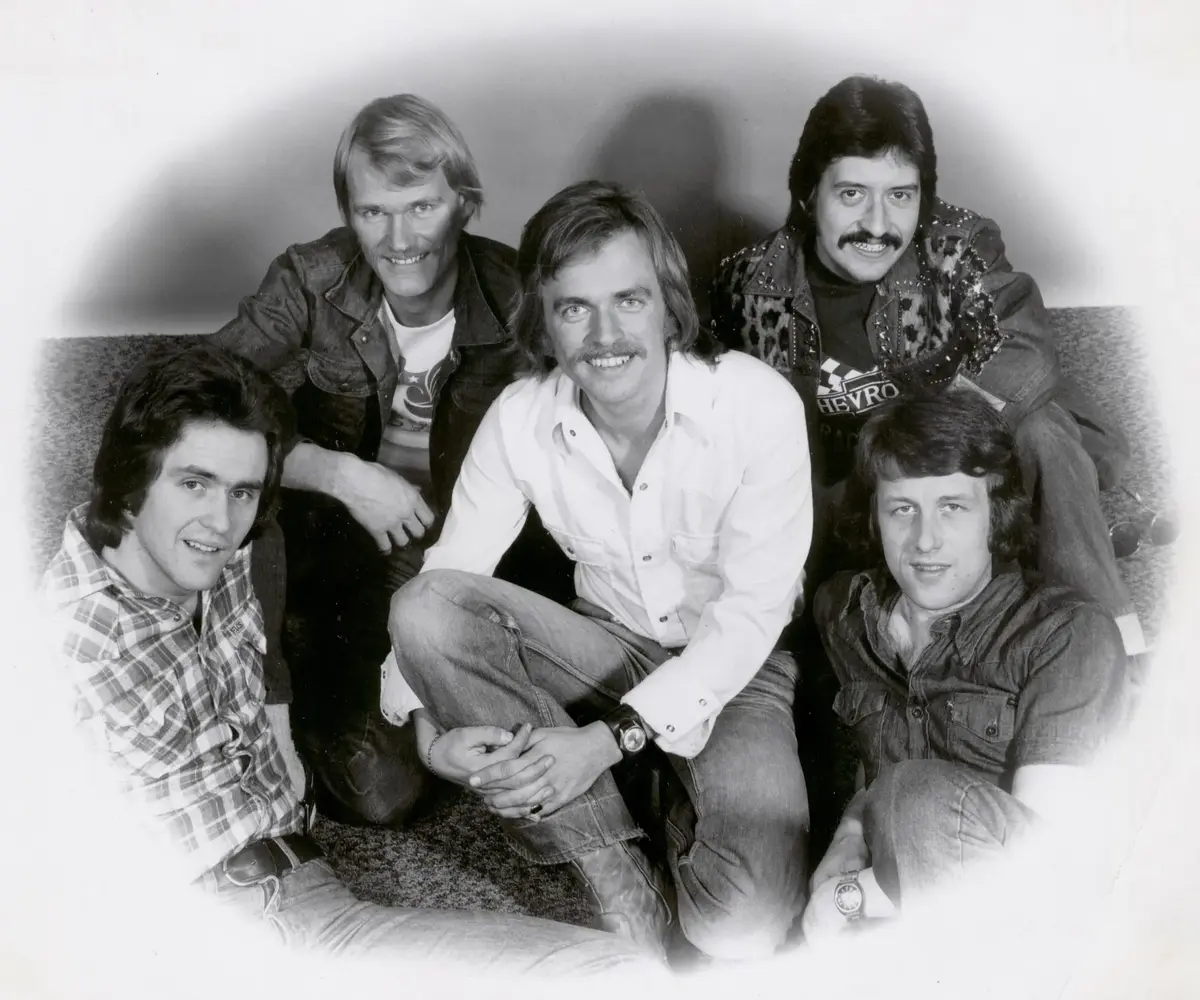
For many years, New Jordal Swingers had the most professional fan club in Norway. The band received large volumes of fan mail, and several fans approached them about starting a fan club. In 1978, the band instead chose their collaborator and friend Tom Sunde as the driving force behind the club.

The fan club functioned as a link between the fans and the band, and remained active until 1992. Its magazine, Rock Machine, provided fans with detailed records of the band’s activities. The club also managed fan mail, distributed the latest press photographs, and sold a range of products bearing the band’s logo. In addition, it was one of the few Norwegian fan clubs to offer exclusive record releases to its members. Particularly active fans were invited to join “Team NJS” and were awarded a gold‑plated pin.


On display: Welcome letter from the New Jordal Swingers fan club (1978), Rock Machine no. 6 (1979).

Fanzines

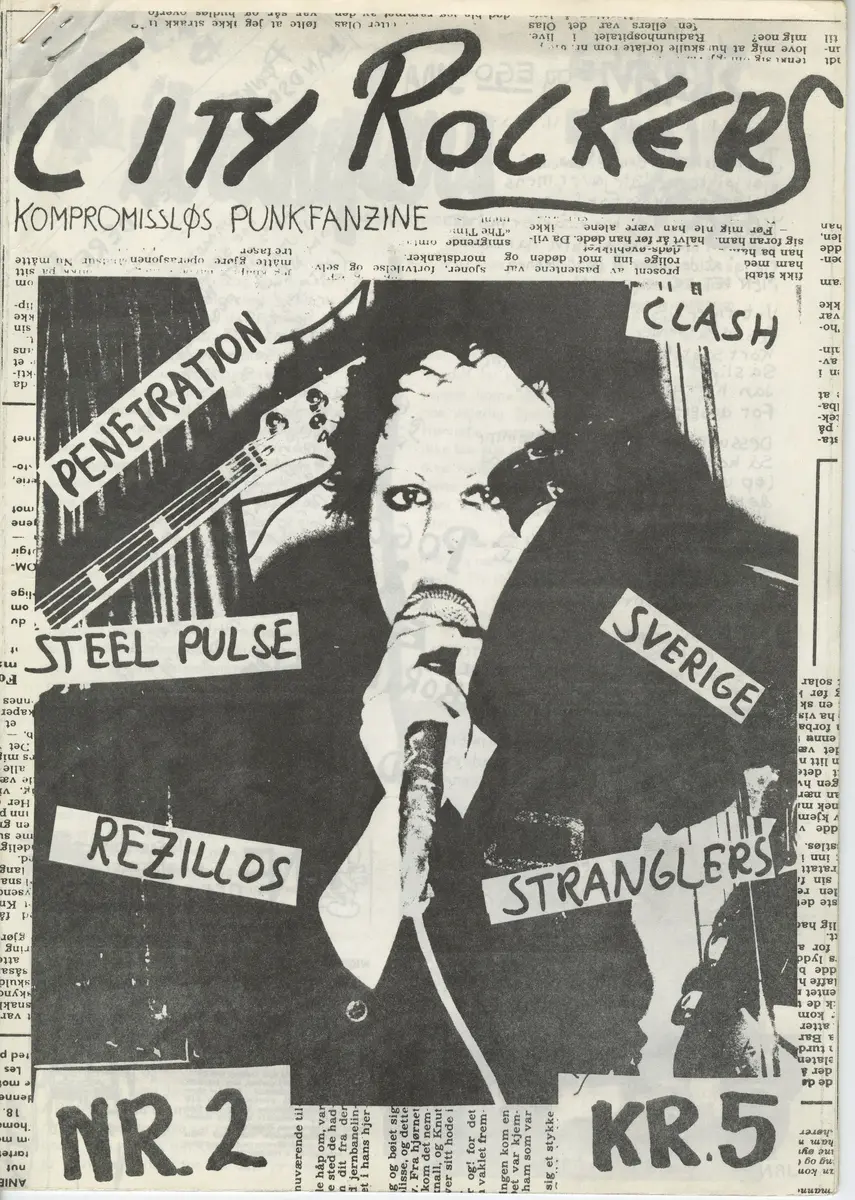
A fanzine is a do-it-yourself publication, produced by enthusiasts for enthusiasts. Dedicated to specific cultural phenomena, fanzines can function as a form of glue within musical subgenres and as an important part of a music scene.

In Norway, fanzines experienced a period of growth with the emergence of punkRockefilla hit the streets in February 1977, and in the years that followed, countless fanzines were published, dedicated to punk and other Norwegian music scenes. A well-known example is the importance of fanzines within the emerging extreme metal scene. In certain genres and subcultures, the distinction between artist and audience can be less clear than in the commercial pop industry, and there is often overlap between making a fanzine and playing in a band.


On display: Frukt‑knæsk (Bergen, 1980), Konstruksjon (Mo i Rana, 1985), Nye oppstøt (Trondheim, 1980), Panic (Ski, 1985), Rockefilla (Trondheim, 1977), Schnørr (Oslo, 2022), Slayer Mag (Sarpsborg, 1986).

a-ha Info

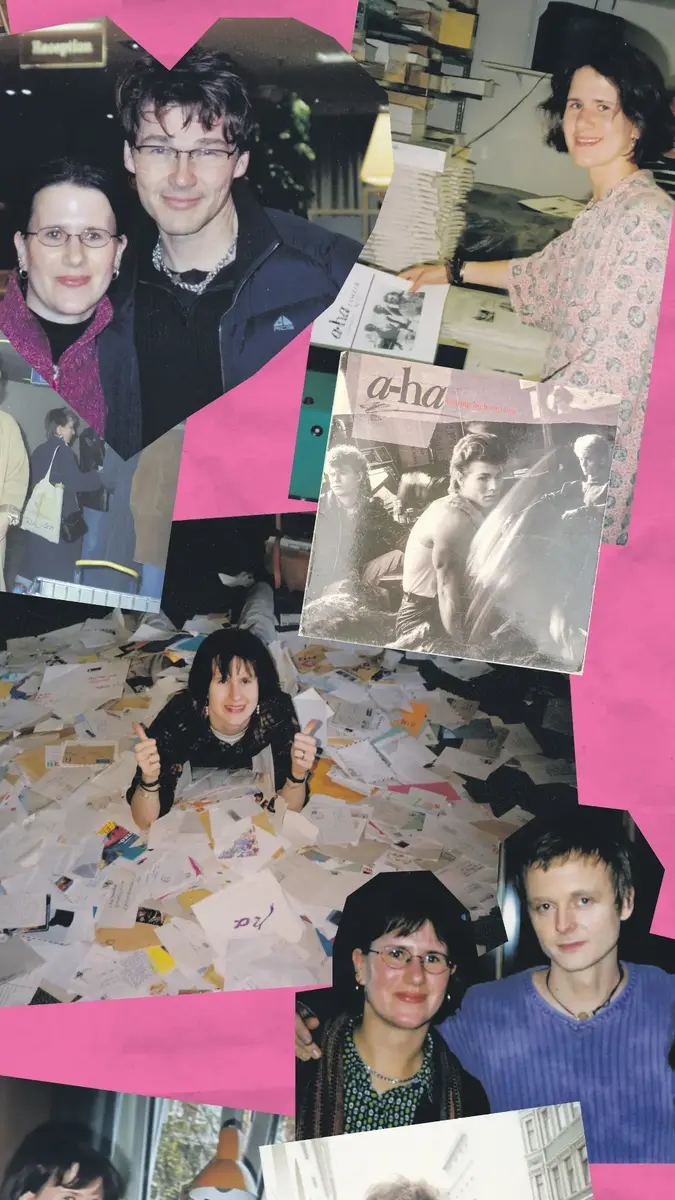
The Norwegian pop group a‑ha had several fan clubs in different countries. In 1988, a‑ha Fanclub Hamburg was founded. The young women behind the club aimed to provide accurate information about the band and to counter rumours and misinformation in pop magazines and newspapers.

Driven by idealism and unpaid work, the fan club nevertheless presented itself as serious and professional. It played an important role in connecting international fans, but was never fully embraced by management and the record company. Even after the band’s first break‑up, the club continued its work, with regular issues of the fan club magazine and the distribution of the band members’ solo releases to fans around the world.


On display: Objects from a‑ha Fanclub Hamburg: aha‑info from 1993–94, a “signed” photograph, and a membership form from 1988.

FROM ME TO YOU

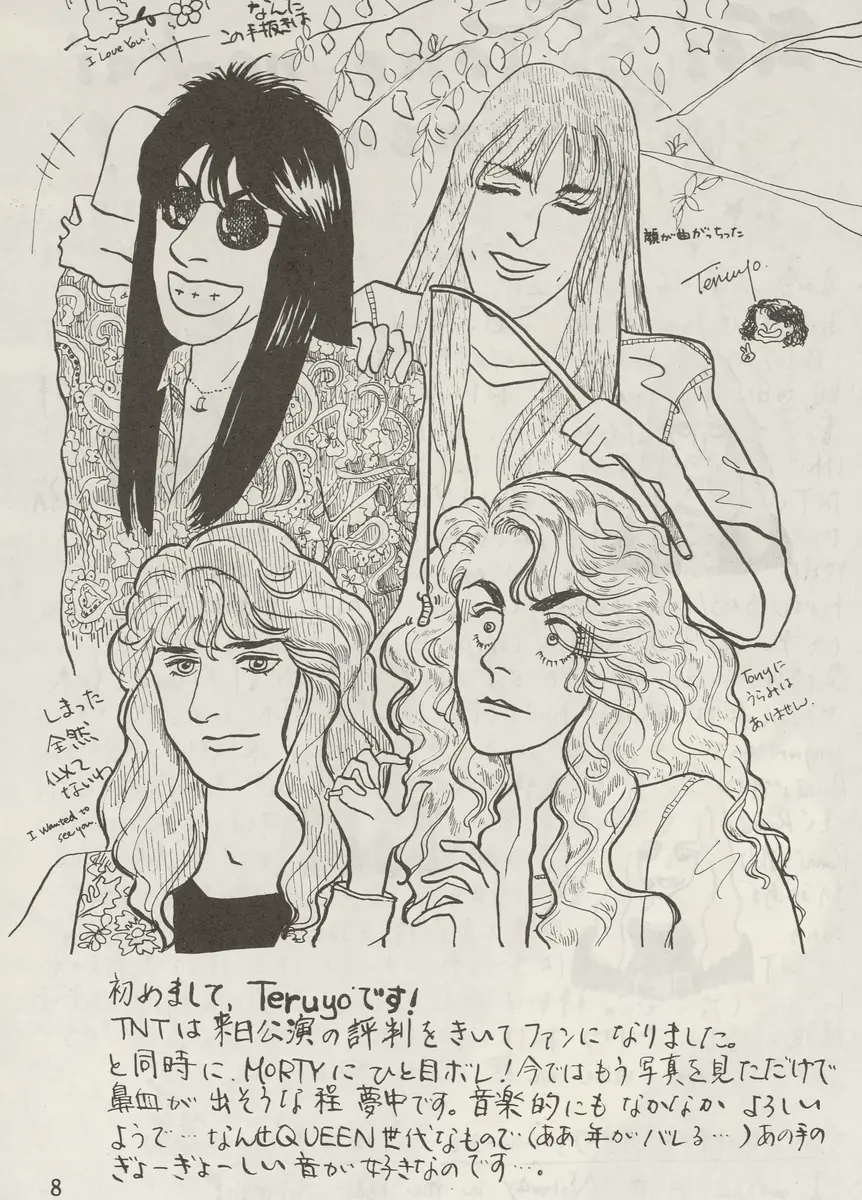
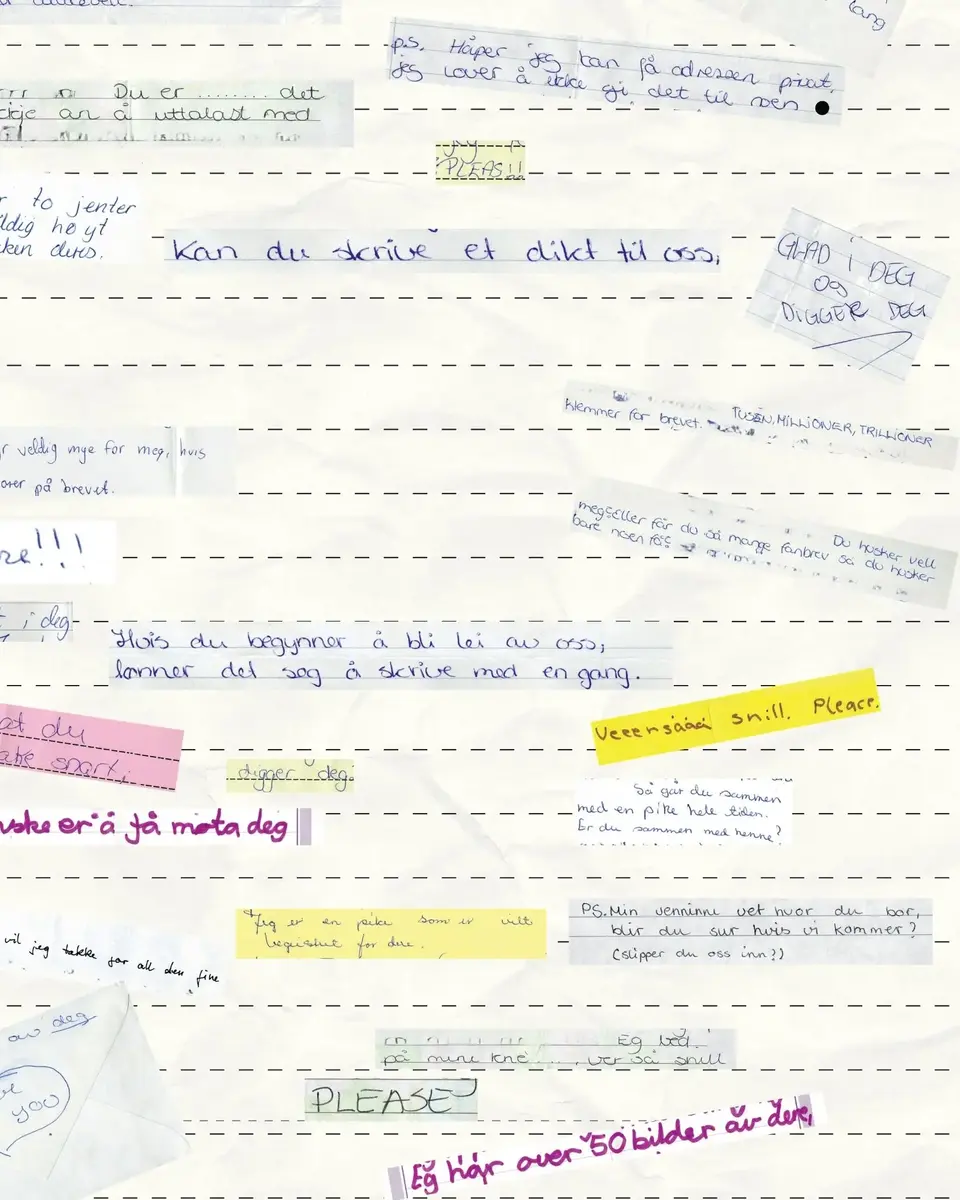
Sometimes a song resonates so precisely that it feels as if it were written just for you. You want to say thank you, to explain, to share—and to find a way to reach the artist. One way of doing so has been through fan letters. Handwritten letters, complete with envelope and stamp, were sent by fans through the postal service, often in the hope of receiving a reply.

Writing to a stranger one nevertheless feels one knows is an art in itself. A fan letter could range from brief messages to highly elaborate and personal letters, sometimes including drawings and gifts. Writing fan letters involved a series of choices: handwriting, design, and rhetorical devices were all important elements. Above all, it was about how one presented oneself and what one chose to write about. Today, communication between artists and audiences takes other forms, and letter writing as a mode of expression may be a tradition on the verge of disappearing.


On display: Fan letter with gifts from a Japanese fan to Trine Rein (1997).

TRUE FANS

Standing at the front of the stage, knowing every lyric by heart, travelling far and wide—or staying at home to organise all available information about a favourite band. There are many perspectives on what makes a “true fan”, but at the centre is the idea of people driven by strong engagement and dedication.

Fans follow the artist: they listen, document, collect, create, analyse, discuss, play, sing, shout, dream, and desire. Different ways of being a fan have been valued differently, and some forms of engagement have been seen as more legitimate than others—both within fan communities and from the outside. Traditionally, both genre and gender have influenced what is considered “true”. Leading a fan club or taking part in so‑called street teams can carry high status. Other dedicated music enthusiasts prefer to be described as collectors, rock historians, or experts, distancing themselves from the label of fan.

TONE BØRSTAD: A TRUE DRAMA FAN

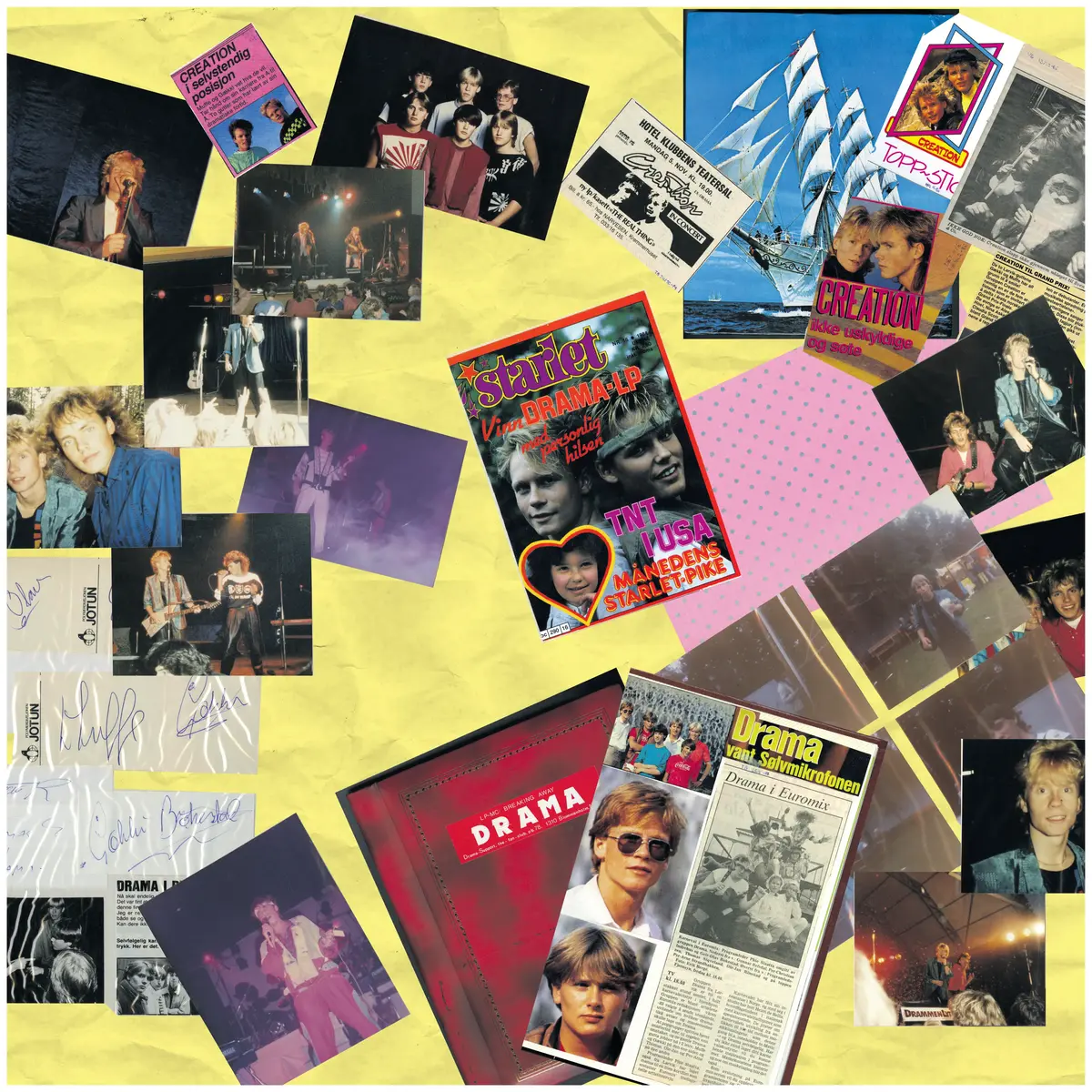
My interest in Drama began when, at the age of 14, I bought my first record, Breaking Away, on cassette, after seeing the band on the teenage television series Halvsju and hearing them on the radio show Ti i skuddet. In the 1980s, being a fan meant sitting ready with the cassette recorder, taping songs and interviews from radio and television. News also came through the fan club magazine, and there were set days when you could call the fan club to ask questions.

My pocket money went on young adult magazines such as Topp and Det Nye, as well as weekly magazines and newspapers that wrote about Drama/Creation. The clippings were carefully kept. After concerts, we searched out local newspapers to read the reviews. We travelled by train, bicycle, and car to experience concerts, always standing at the very front and shouting along to the songs. After concerts, the boys almost always came out to sign autographs and pose for photos, and we also attended record signings. It was a hobby that required real effort in order to gather information.


Tone Børstad was born in Tønsberg in 1968. She became a fan of Drama in 1982 and followed both the band and its continuation as Creation throughout the rest of the 1980s. Her time as a fan, and the sense of community experienced at concerts, have continued to shape her later in life. She has stood in the front row at concerts by Roxette and Per Gessle, and has been part of the audience at concerts by bands such as Coldplay and Imagine Dragons – “And it all started with the boys from Larvik.”


On display: A selection from Børstad’s Drama/Creation collection. Donated to Rockheim, 2020.

INSIDE THE TEENAGE BEDROOM

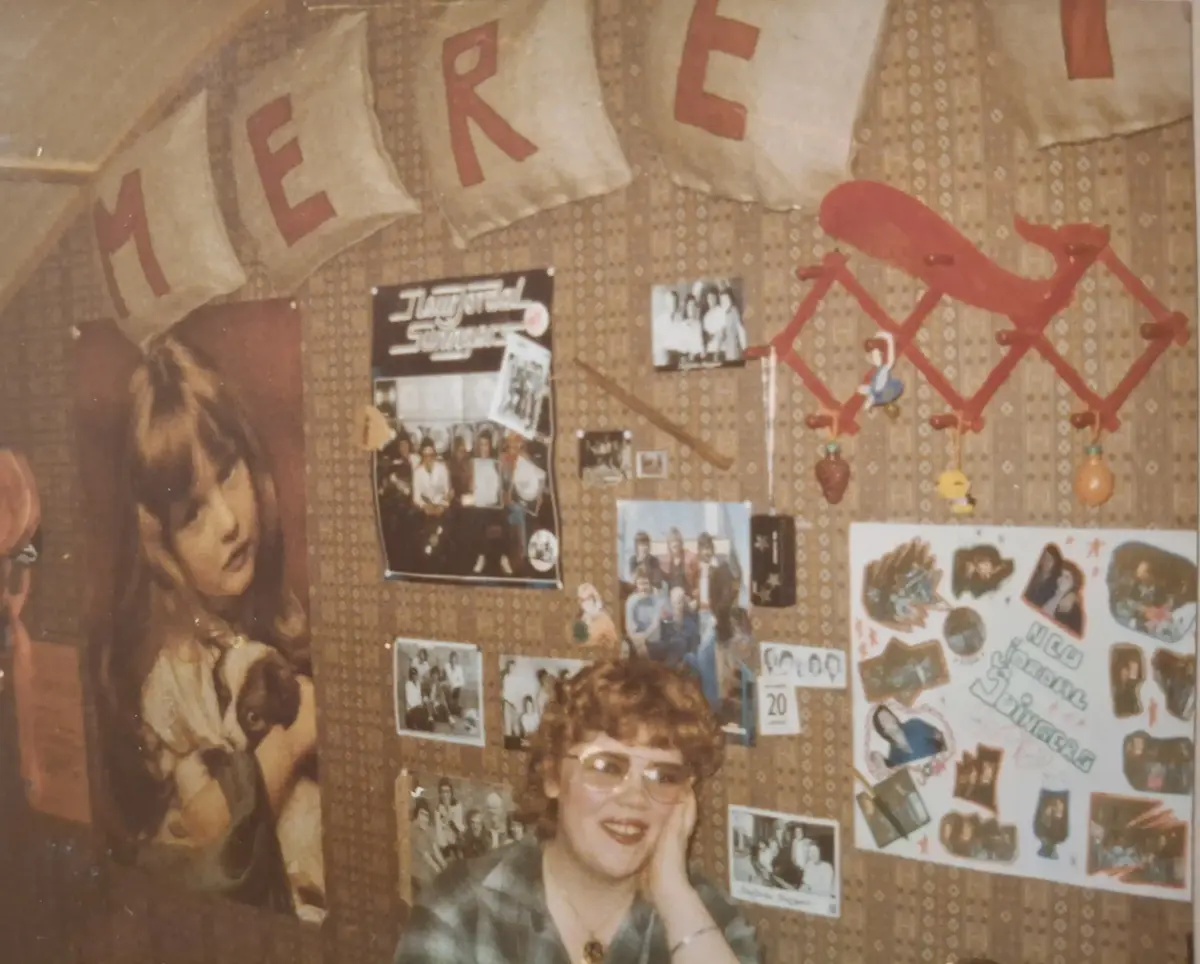
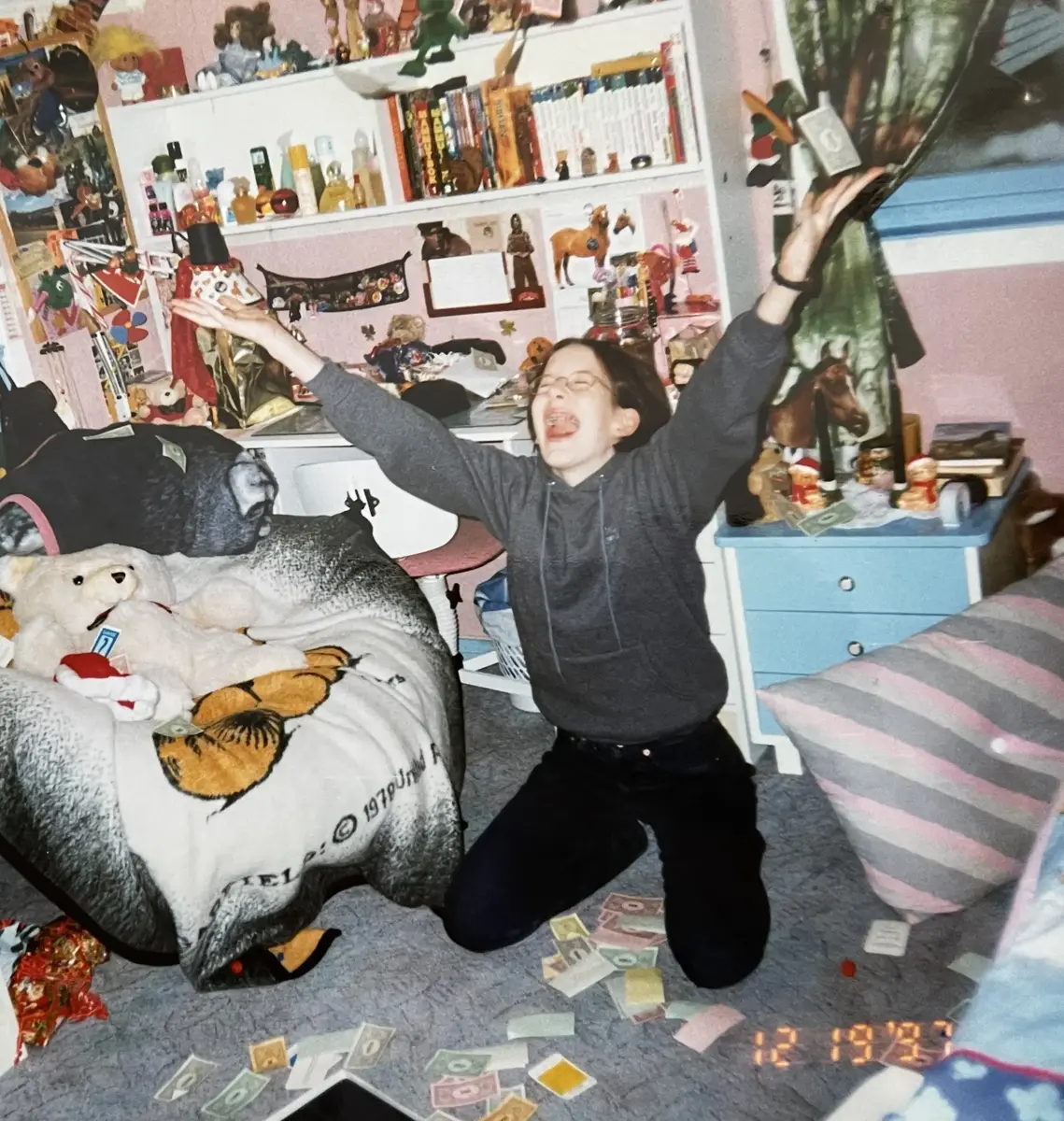
Behind a closed door. Posters packed tightly above the bed, concert tickets pinned to the wall, cut‑out interviews and handwritten quotes, and a display case filled with small but meaningful objects. The teenage bedroom is a refuge—the first place one can truly call one’s own, and a space where interests and emotions can take shape without outside interference. Music can give voice to feelings and experiences many encounter during adolescence.

For this reason, fandom is often associated with this stage of life, when identity is formed and emotions are felt with particular intensity. In the teenage bedroom, one can surround oneself with visible markers of identity and build a personal universe of posters, photographs, and memories. The teenage bedroom is still very much alive, but today the smartphone has taken over some of the cultural and “private” space in which a teenager exists.

FANTIQUITIES

  1. Randi – Homemade scrapbook with idol cut-outs of David Cassidy. 1974
  2. Kristian – Collection of 24 copies of Jazzmund Bjørken – Accordion to My Heart. 1976–2026
  3. Merete – Handcrafted calendar dedicated to New Jordal Swingers. 1980
  4. Sondre – Police clearance certificate obtained in order to gain access to a Morten Harket concert. 1993
  5. (Anonymous) – T‑shirt thrown onto the stage during a Kaizers Orchestra concert. 2013
  6. Christin – School diary with an a‑ha theme. 1986
  7. Solvår – Songbook with handwritten lyrics. 1971–1973
  8. Morten – Signed promotional card from his first meeting with deLillos. 1987
  9. Linn – Handwritten reply to a fan letter. 1995
  10. Geir – Signed napkin from the band The Boys. 1978
  11. Sveinung – Souvenir figurine of Bob Marley, purchased in Peru. 2007
  12. Ivar, Thomas and Frank – Fanzine created as a tribute to Bjørn Müller on the occasion of his 60th birthday. 2020
  13. Sylvia – Cap from Wenche Myhre’s fan club in Switzerland. 2015
  14. Lars Erik – Ticket from his first Motorpsycho concert, with accompanying bootleg CDs. 2001
  15. Terje – School assignment dedicated to the band Difference. 1976
  16. Ole Martin – Collection of festival wristbands from the Roskilde Festival. 1984–2025
  17. Bjørn Gunnar – Pebble collected from the recording site of Exile on Main Street by The Rolling Stones. 2012

FANS 4-LIFE

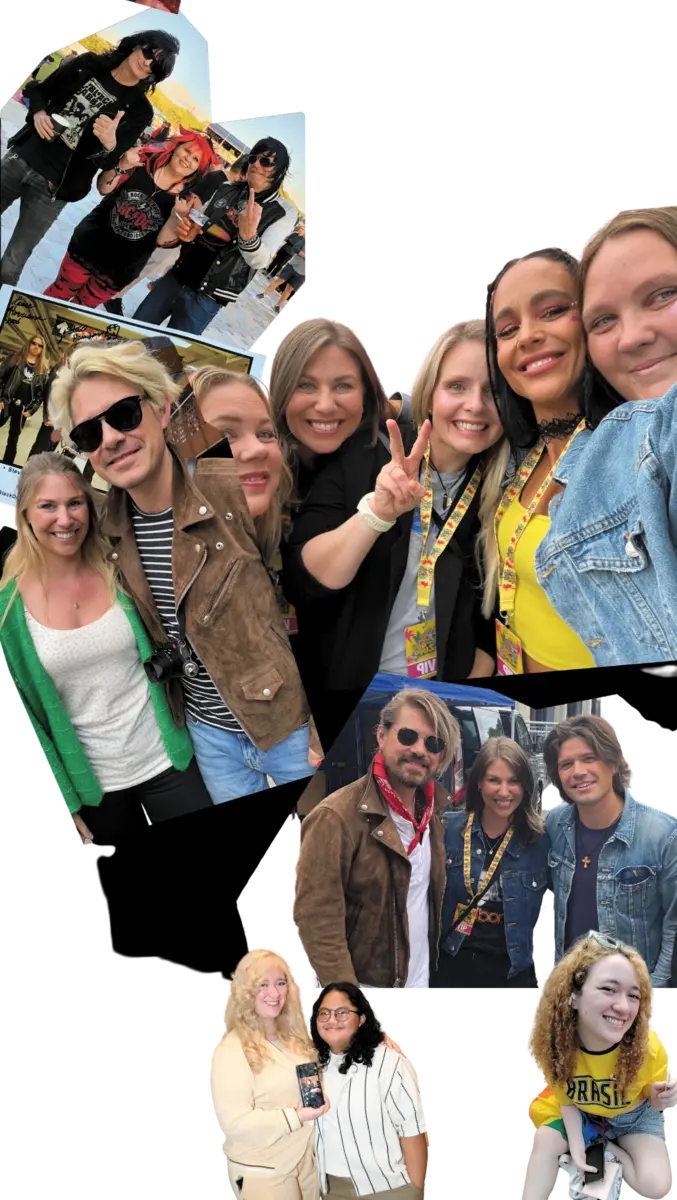
Being a fan has often been seen as something temporary—a phase associated with youth. This is no longer the case. Pop and rock are not exclusively youth cultures, and this is reflected among audiences, artists, and within the music industry.

For many, music and fandom have been central during life’s formative years, but fandom can also develop into a lifelong relationship. As adults, some may finally have the opportunity to realise the dream of seeing and experiencing their old heroes, while touring allows artists to continue their careers alongside a loyal audience. Adult fans collect rare objects and cultivate communities with other fans, and some turn their passion for music into a career. These are just a few of the ways in which music and fandom can accompany and enrich people throughout their lives.

LARISSA BENDEL – PROFESSIONAL A‑HA FAN

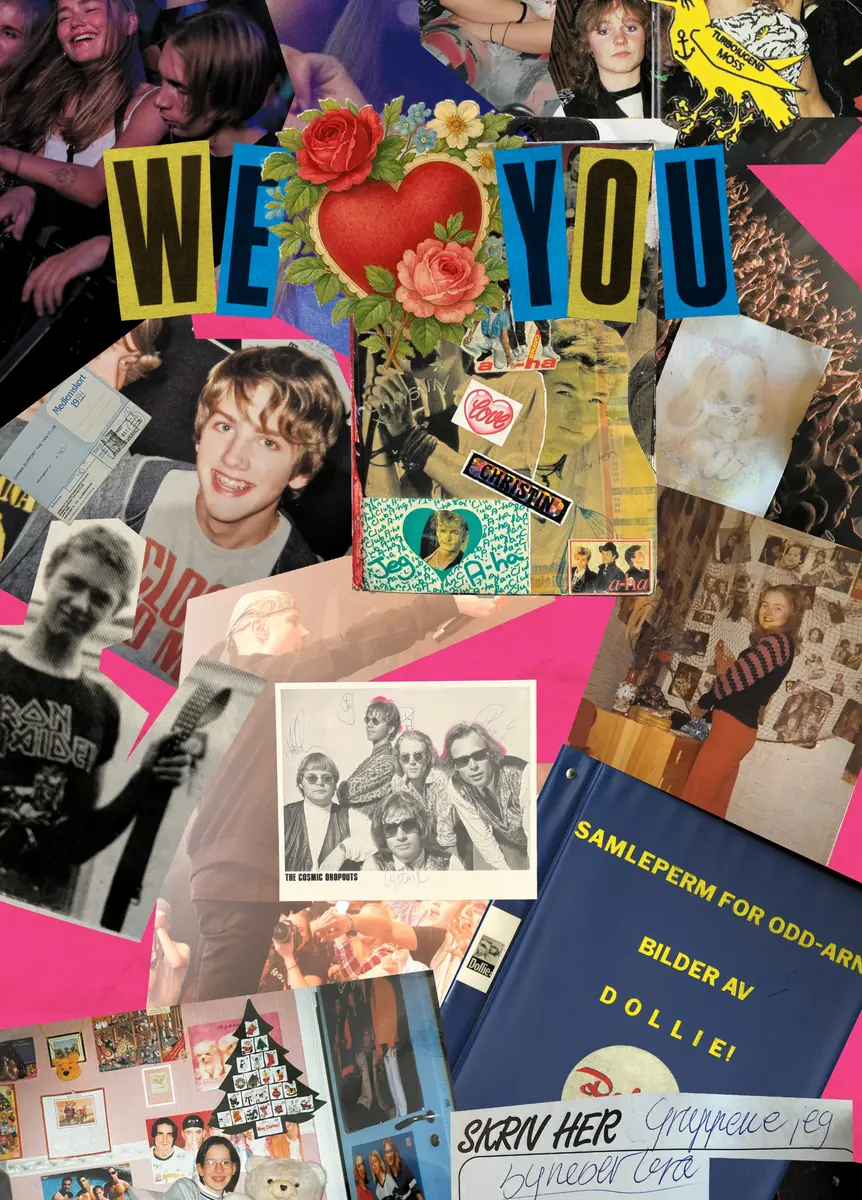
Music and literature have been my core interests since I was a child, and I have always wanted to write. First, I wrote poems and stories, and thanks to the a-ha fan club, I also gained journalistic writing experience. After graduating high school, I wanted to attend university and get my master’s degree in American literature. I did that. Then, I planned to write my doctoral thesis about the Beat Generation – which I did, too. I wanted to teach American literature at university and write more books. I have done that as well – and many other things.

All of this has not happened because of a-ha. But I am sure that my passionate involvement as a fan and in the fan club has strongly contributed to shaping my personality: It has given me self-confidence and confirmed my belief in my creativity, imaginativeness, perseverance and the ability to change and achieve something. -

 Larissa Bendel, 2026


Dr. Larissa Bendel was born in Hamburg in 1974. She became an a-ha fan in 1986 and was one of the leaders of the international a-ha fan club based in Hamburg, Germany, from 1988 to 1998. She has a Ph.D in American literature and is a licenced group fitness trainer. Also, she writes books, both fiction and non-fiction.


On display: a‑ha: Hunting High and Low (Morgenbladet Top 100), 2012; Nærbilde – mitt liv med a‑ha, 2026; fan club material (T‑shirt and pen); leather strap (used by Larissa Bendel in the 1980s). Photographs in the collage are taken from Bendel’s private collection.

MAGDI

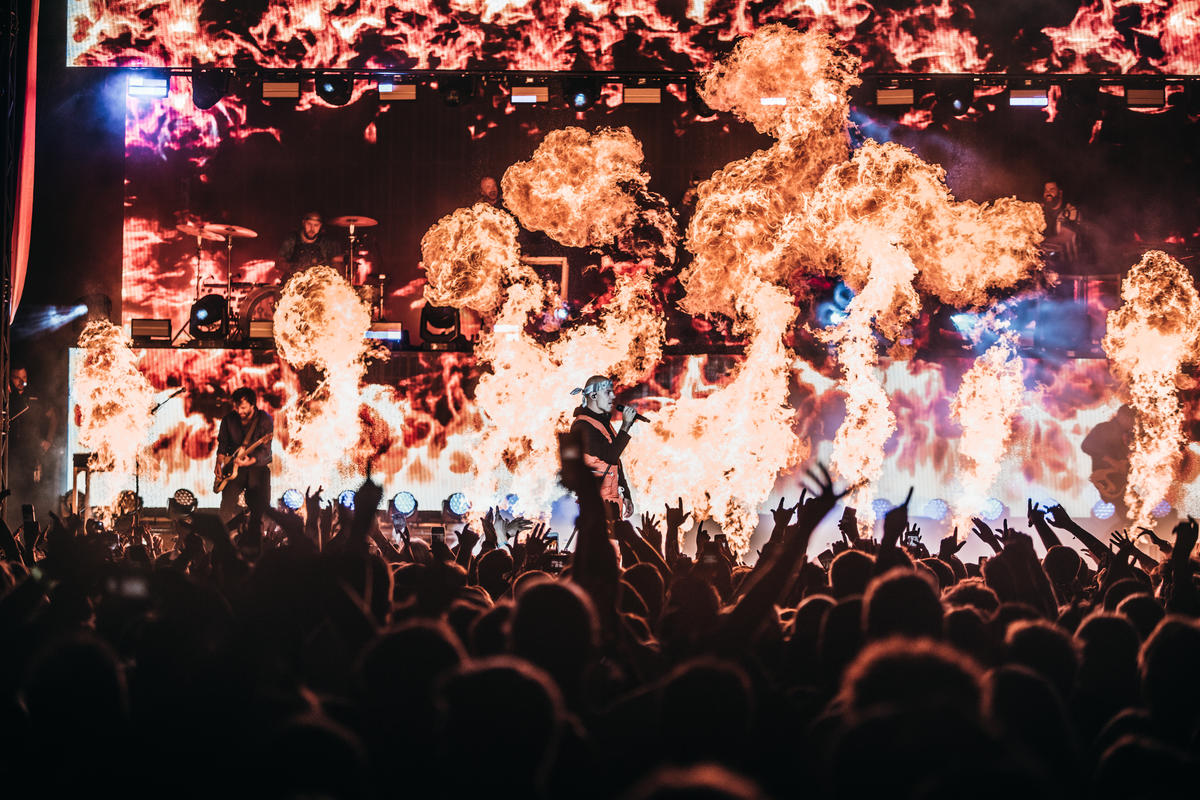
Magdi Omar Ytreeide Abdelmaguid (b. 1984) is an artist, songwriter, and rapper. Together with Chirag Rashmikant Patel, he formed Karpe Diem in 2000. The Oslo‑based rap duo soon developed into one of the country’s most popular and influential hip‑hop groups. In 2017, they shortened their name to Karpe, and have since consolidated their position as one of Norway’s leading artists of recent times, regardless of genre.

Karpe have, in various ways, given their fans particular attention. They have organised free concerts for fans under the age of 18 who would otherwise not have had the opportunity to see the group, and have engaged and mobilised audiences in highly original ways. Their work spans both carefully controlled audience strategies and inclusive, large‑scale approaches. As the first artists ever, Karpe sold out ten concerts at Oslo Spektrum. At the same time, they have invited smaller groups of fans to take part in exclusive events and contemporary art projects, such as an invitation to 100 fans to collaborate with the group at Festiviteten in Skien. Karpe actively shape the framework of their encounters with fans, with social engagement, format, access, and audience playing central roles in the group’s overall artistic practice.

JANOVE

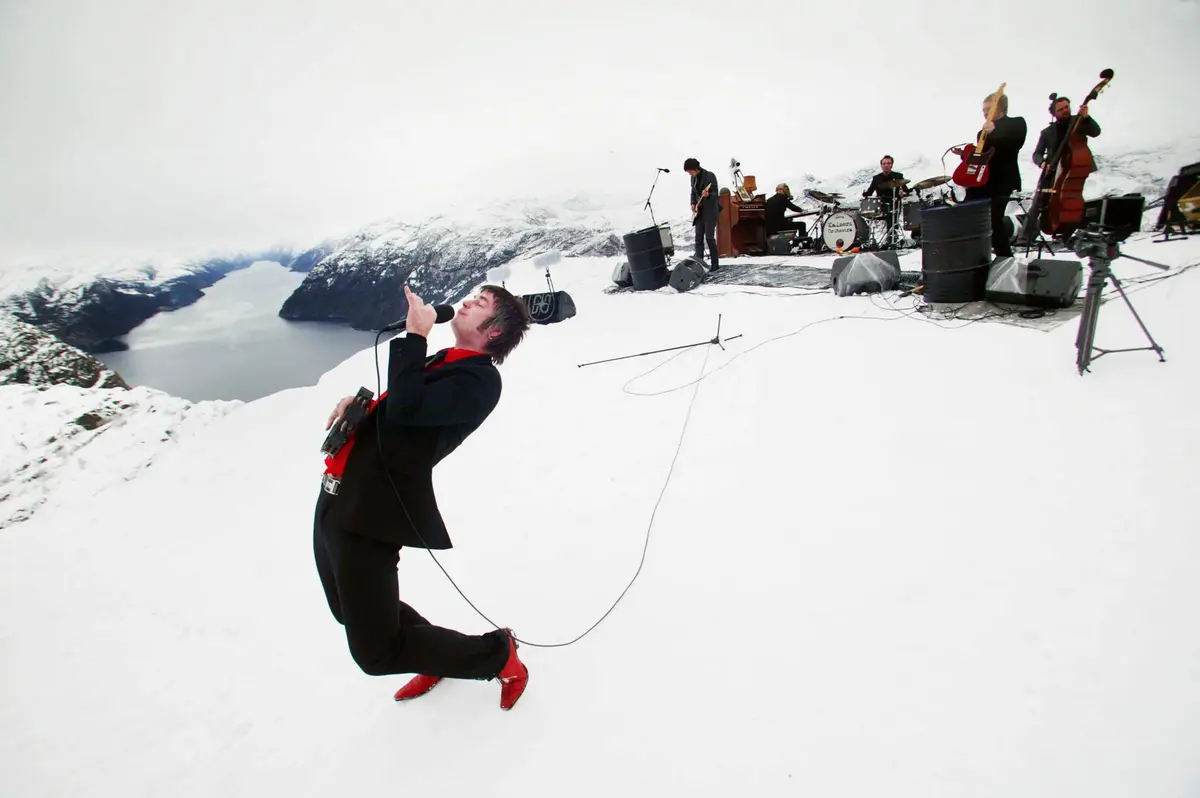
Janove Ottesen (b. 1978) is an artist, songwriter, and composer, first known as the frontman of Kaizers Orchestra. Since their beginnings in Bergen in 2000, the band has stood out as one of Norway’s most distinctive rock projects, both musically and visually. Through extensive touring and a series of successful releases, they built a dedicated audience nationally as well as internationally. Alongside his work with Kaizers Orchestra, Janove has also made his mark as a solo artist under his own name.

From the outset, Kaizers Orchestra placed strong emphasis on their audience. Beginning with greeting fans by shaking hands before concerts, the band gradually developed a range of creative campaigns to engage their fan base. The Kaizers Virus was a digital project through which music and information were distributed directly to fans via mobile phones, and the band also invited fans to create their own versions of unreleased songs. Fan mobilisation also characterised the band’s comeback in 2023, when their most devoted fans were invited to follow the process ahead of everyone else. Through a successful campaign balancing affectionate involvement and strategic marketing, anticipation for the comeback spread almost organically to an ever‑wider audience.

girl in red

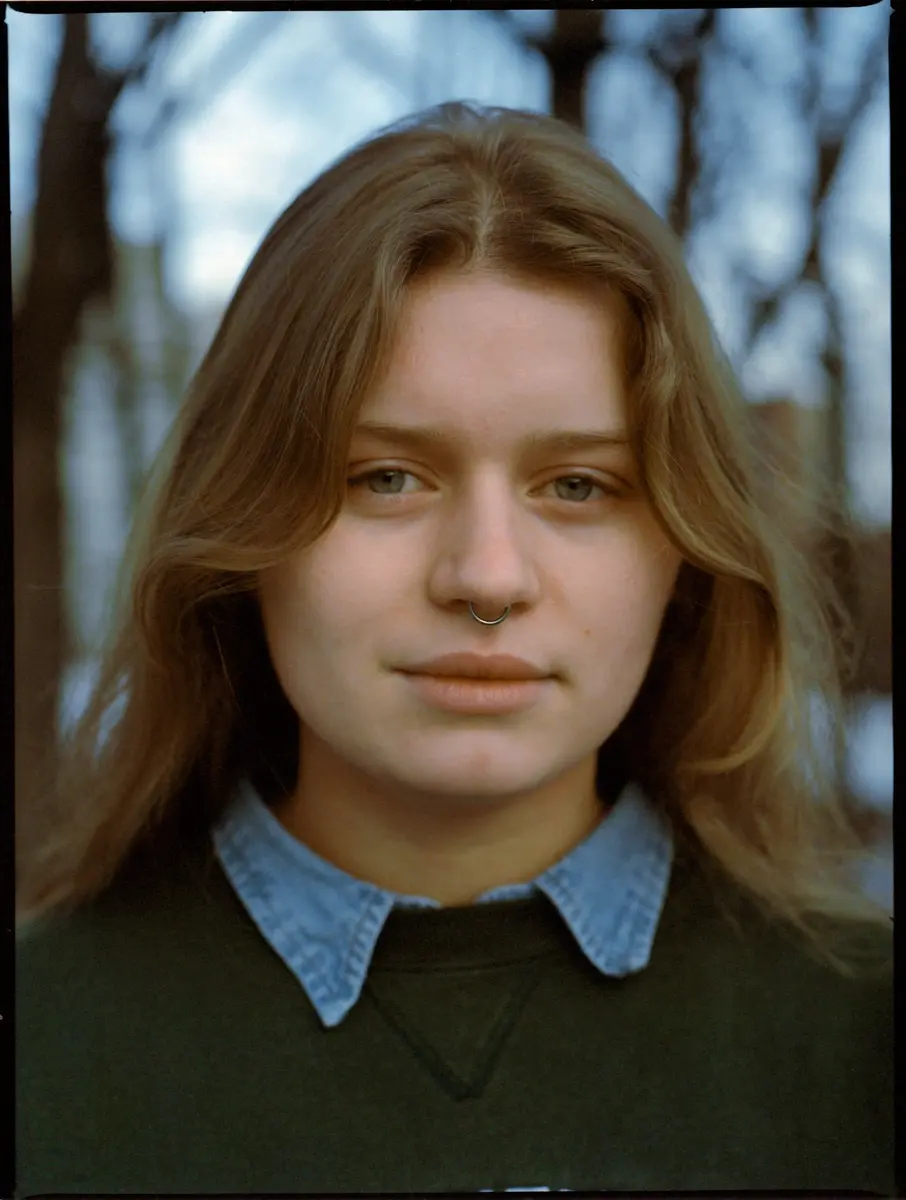
girl in red is the stage name of the musician and songwriter Marie Ulven Ringheim (b. 1999) from Horten. At the age of sixteen, she began releasing her own self‑produced music online. In 2018, she gained significant attention both nationally and internationally, and in the years that followed her career accelerated with an international record deal, world tours, and streaming figures for individual songs that have since surpassed the billions. Today, girl in red is established as one of Norway’s most globally successful pop artists of all time.

From the outset, she has maintained a close relationship with her fans. Her active use of social media and candid lyrics addressing difficult themes have resonated with a steadily growing fan base. She has also been described as a queer icon, and the phrase “do you listen to girl in red?” became a cultural code within queer internet culture. A large and close‑knit international fan community has developed around the artist, in many ways extending beyond the music itself. This strong bond has also been clearly visible in the concert space, where interactions between fans have become a notable feature.

ASTRID S

Astrid S is the stage name of singer and songwriter Astrid Smeplass (b. 1996) from Berkåk. She first became known to a broad Norwegian audience through the television programme Idol in 2013, and has since established herself as a pop artist with significant international reach. With billions of streams, sold‑out tours, and being named Spellemann of the Year in 2017, Astrid S has consolidated her position as one of the most prominent Norwegian pop artists of her generation.

Astrid S has actively used social media to communicate with and involve her fans in her music, career, and everyday life, positioning them as active participants. In her work on the song “Relevant”, she invited fans to contribute lyric suggestions, resulting in a song written with input from more than 5,000 people. As a live performer, she has built a loyal following, for example by inviting audiences to so‑called “pizza parties” ahead of concerts. These are some of the ways in which closeness, participation, and accessibility have been central elements in how Astrid S has built and maintained relationships with her fans.

SYNNE SØRGJERD

Synne Sørgjerd (b. 1997) is an artist and songwriter from Kolbotn. With one foot in the singer‑songwriter tradition and the other in contemporary pop, she works in a text‑driven and conceptual manner. Within the music industry and the media, she has been highlighted as an artist with high expectations attached to her work, and she has already built a large online following.

Social media have been crucial to the way Sørgjerd has built her music career. She has described her aim as being “as personal and private as possible”, and has referred to social media as a natural part of her artistic expression. Since 2018, she has made active use of platforms such as Instagram and TikTok, focusing on visibility, continuity, and direct communication with her audience. Through humour and deliberate exaggeration—including referring to herself as “Norway’s hottest micro‑celebrity”—she has challenged expectations of perfection, particularly those placed on female artists. By playing with the influencer format, she also highlights how identity on social media is often staged, and that it is not always a given that everything one encounters online should be taken at face value.

LINER NOTES

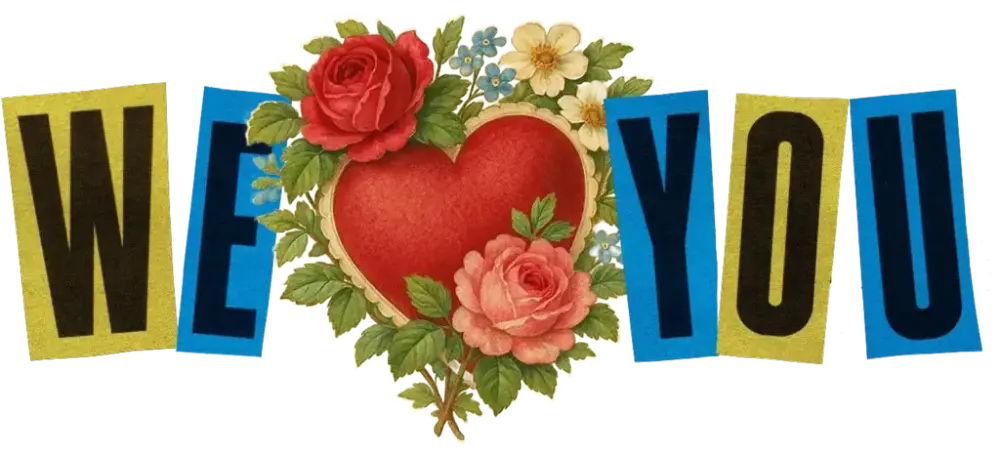
WE <3 YOU is curated by Lars Erik Brustad Melhus, Mathias Østrem and Morten Haugdahl.

Project Team


Mathias Østrem Project Manager

Morten Haugdahl Head of Content

Lars Erik Brustad Melhus Exhibition Architect

Helle Thomassen Singsaas  Mediation

Ina Morken Moland Marketing and Communications


Anne Mette Gottschal (Collections Management)
Annabella Skagen (Proofreading)
Arnfinn Stendahl Rokne (Museum Director)
Arve Guldbrandsen (IT)
Bent Larsen (Exhibition Production)
Bjørnar Bruket (Collections Management)
Christin Hoff (Merchandise)
Espen Mindrebø (Props)
Joel Hynsjö (IT)
Kristian Krokfoss (Learning and Interpretation)
Michael Bendiksby (Objects Conservation)
Morten Blix (Exhibition Production)
Peter Juga (Objects Conservation)
Synnøve Engevik (Exhibition Catalogue)
Tor Marschhäuser (Exhibition Production) … and the rest of the staff at the Norwegian Music Museum


External Collaborations and Services

Graphic design and campaign development: Skogen Utvikling AS
Video interviews: Sesong 1
Concept development: Randi Lillealtern (Historiebruket)
Construction: Ross Snekkertjenester AS
Painting: Vidar Berg


Thanks

Our sincere thanks go to: All Good Clean Records, Amelia Ragusano, Amelia Rodriguez, Ann Iren Folkestad, Astrid Smeplass, Åge Merli, Benedicte Tranberg, Bente Heggvik, Berit Bårdstu, BK Fagtrykk AS, Bjarne Laastad, Brukom, Cato Andrè Beachpunk, David Nicholas Frankson Bakken, Duncan McKinlay, Ellinor Hansen, Eline Kjøl Berg, Espen Varslot, Fredrik Nygård, Helene Hasselknippe, Irene Andresen, Ivy Joy Ferrer, Janove Ottesen, Jarle Savio, Jenny Jahnsen Berg, Jolijn van de Scheur, Julian Vedeler, Jørgen Nøvik, Kristina Brodal Syversen, Kristian Krokfoss, Kristine Ask, Larissa Bendel, Lisa der Weduwe, Live Schille, Linn Halvorsrød, Magnus Holder Bjørk, Magdi Omar Ytreeide Abdelmaguid, Marianne Friele Nordal, Marie Ulven, Merete O. Strøm, Merete Rasmussen Gusdal, Monica Handberg, Museum of Youth Culture / National Library of Norway, Nilsson Trelast, Paul A. Nordal, Randi Furunes, R. Daaland AS, Reidun Bjørhusdal, Robin Nikolaisen, Rosie Camps, Roy Fanwalker, Serine Lien Røstad, Silje Back, Simen Idsøe Eidsvåg, Siri Hjelmbrekke Hveem, Solvår Julie Selvåg, Sondre Lerche, Synne Sørgjerd, Teknolakk AS, The World in Red, Thomas Lindstad Nordby, Tim Lyng Christensen, Tone Børstad, Tone Kari Vartdal, Tove Jurs Martinsen, Torucon, Trine Holmen, Trine Pernille Lingås, Turid Støa Bergmann.